
We provide a wide range of coating services designed to protect and enhance metal surfaces:
Choosing the right abrasive media is the foundation of a high-quality surface finish, whether you are stripping heavy corrosion or prepping a delicate substrate for coating. Garnet is a popular, versatile choice known for its balance of speed and cleanliness; as a natural mineral, it is eco-friendly and produces significantly less dust than other media, making it ideal for both indoor and outdoor projects. Aluminum Oxide, on the other hand, is the workhorse of industrial blasting. This extremely hard, sharp, and durable synthetic abrasive is engineered for aggressive cutting. Because it can be recycled and reused multiple times in a blast cabinet, it offers exceptional cost-efficiency for removing stubborn scale, rust, and old paint from hard metals.
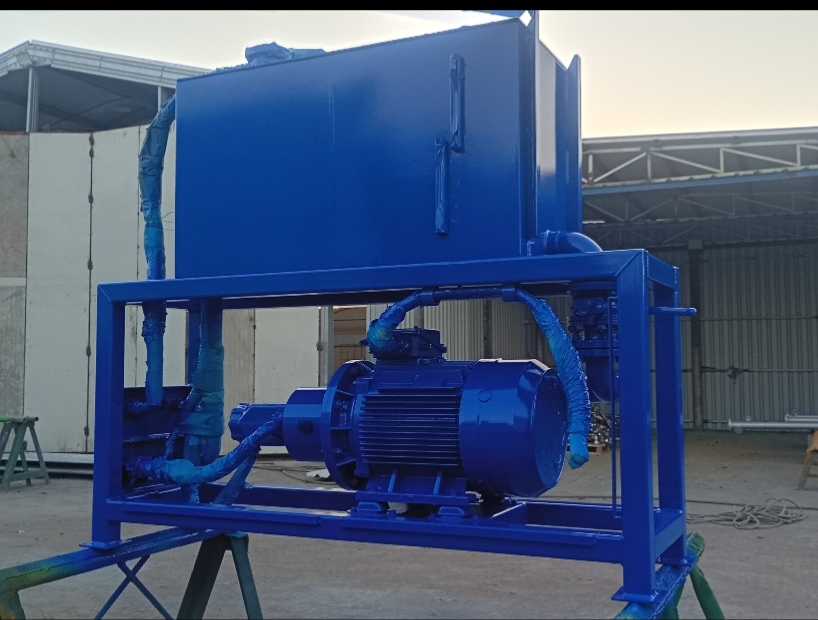
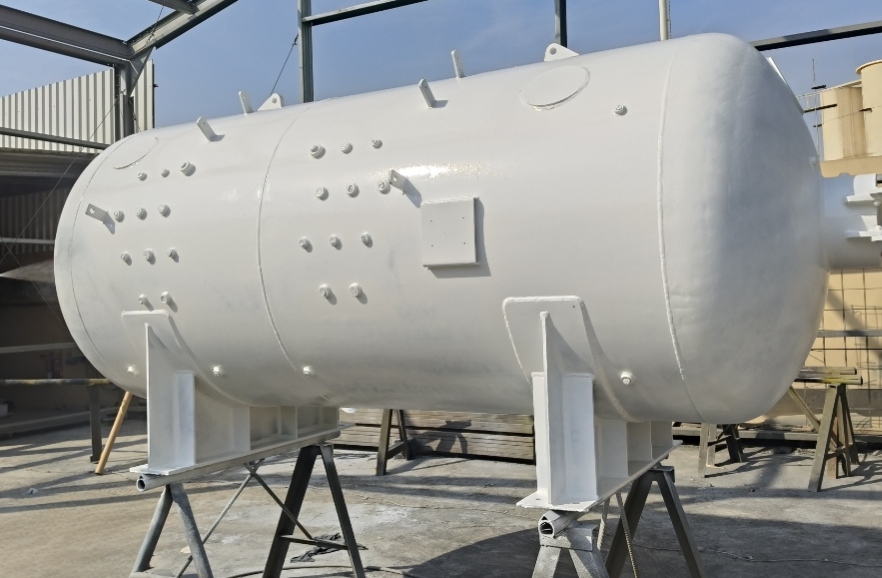
Hydro blasting, also known as water jetting, is a high-efficiency cleaning and surface preparation method that utilizes pressurized water to remove stubborn contaminants. Unlike traditional sandblasting, this process is entirely dust-free, making it the gold standard for projects in sensitive environments such as refineries, food processing plants, and residential areas. Depending on the project’s needs, pressures can range from High-Pressure Water Jetting (HPWJ) to Ultra-High Pressure (UHP), which exceeds 30,000 PSI. This force is capable of stripping industrial coatings, heavy corrosion, and chemical deposits down to the bare substrate without the need for harsh chemicals or abrasive media, ensuring a clean surface that is ready for immediate inspection or recoating.
Epoxy painting is a specialized coating process designed to provide an incredibly resilient, high-performance finish for industrial, commercial, and residential surfaces. Composed of a unique two-part system—a resin and a hardener—epoxy undergoes a chemical reaction that transforms it from a liquid into a rigid, plastic-like surface. This results in a seamless, non-porous barrier that is exceptionally resistant to heavy impact, chemical spills, oil, and abrasion. Beyond its legendary durability, epoxy is highly customizable; it is available in a vast array of colors and finishes, from high-gloss reflects that brighten dark workspaces to slip-resistant textures that prioritize safety in high-traffic environments.
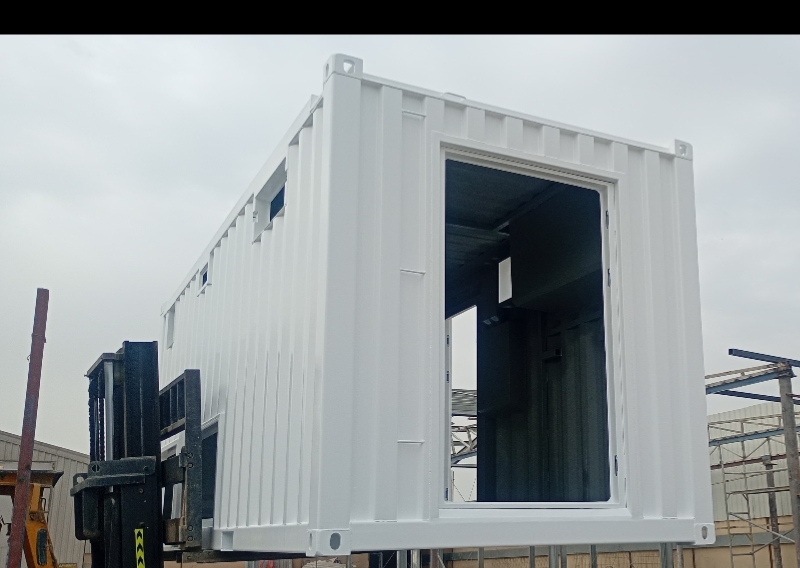
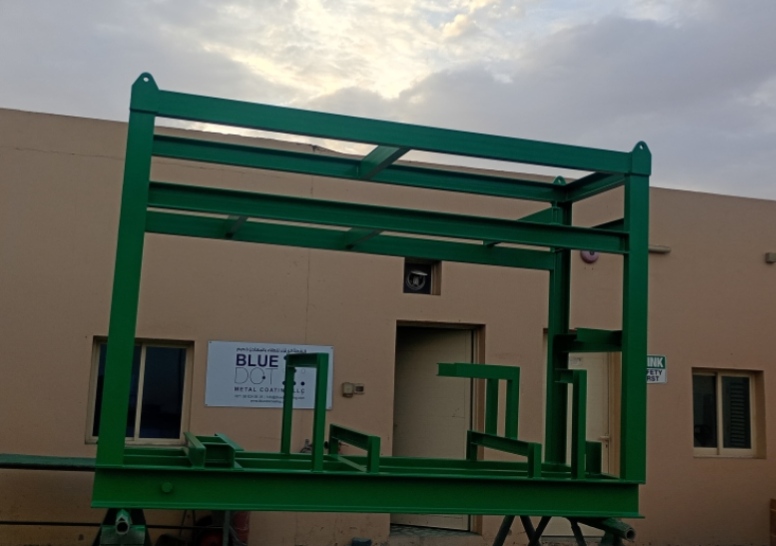
Ceramic and protective coatings represent the pinnacle of surface preservation technology, offering a level of defense that far exceeds traditional paints. These coatings are engineered at a molecular level—often utilizing nanotechnology—to bond with the substrate and create an ultra-hard, hydrophobic (water-repellent) layer. This shield acts as a sacrificial barrier against extreme heat, UV radiation, oxidation, and acidic contaminants. In industrial settings, ceramic coatings are indispensable for high-temperature equipment like exhaust systems and engine components, as they provide superior thermal insulation and prevent metal fatigue. By significantly reducing friction and surface tension, these coatings also ensure that dirt, grime, and industrial pollutants struggle to adhere, making treated surfaces much easier to clean and maintain.
Intumescent coatings are a specialized form of passive fire protection designed to safeguard structural steel in the event of a fire. Unlike standard paint, these coatings undergo a complex chemical reaction when exposed to intense heat. Once the temperature reaches a critical threshold, the coating expands—or “intumesces”—to many times its original thickness, creating a thick, carbonaceous char layer. This char acts as an insulating barrier, significantly slowing the transfer of heat to the steel substrate. Since structural steel begins to lose its load-bearing capacity at approximately 550°C, this insulation is vital to preventing building collapse, providing occupants with life-saving time to evacuate and emergency services a window to intervene.
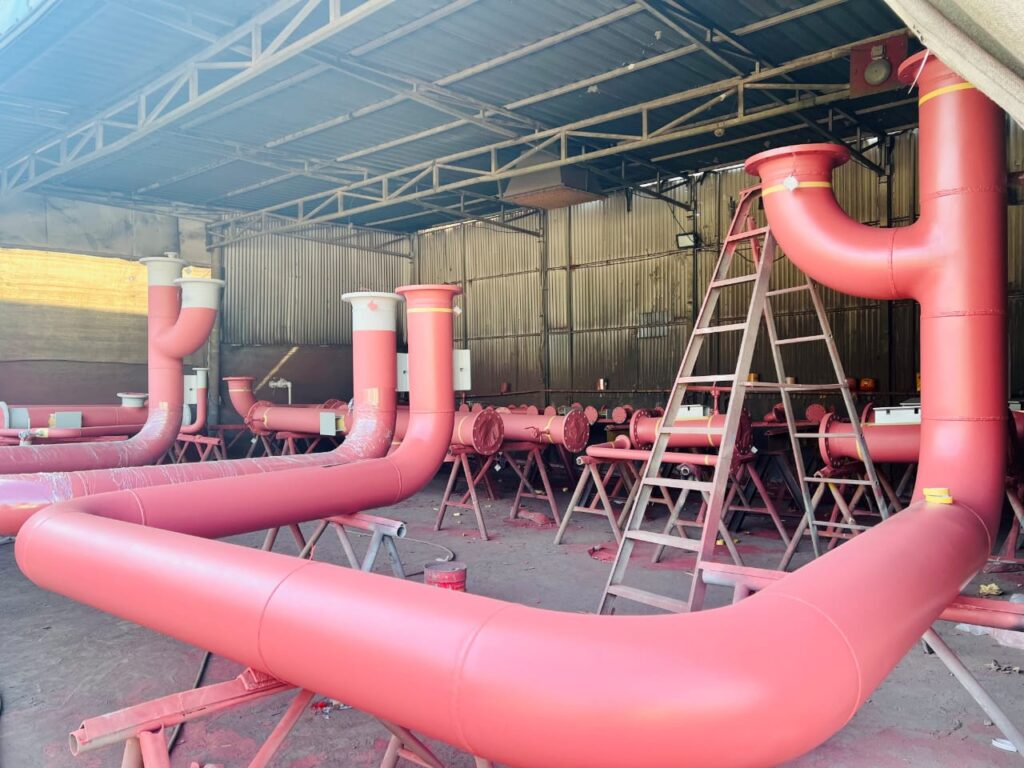
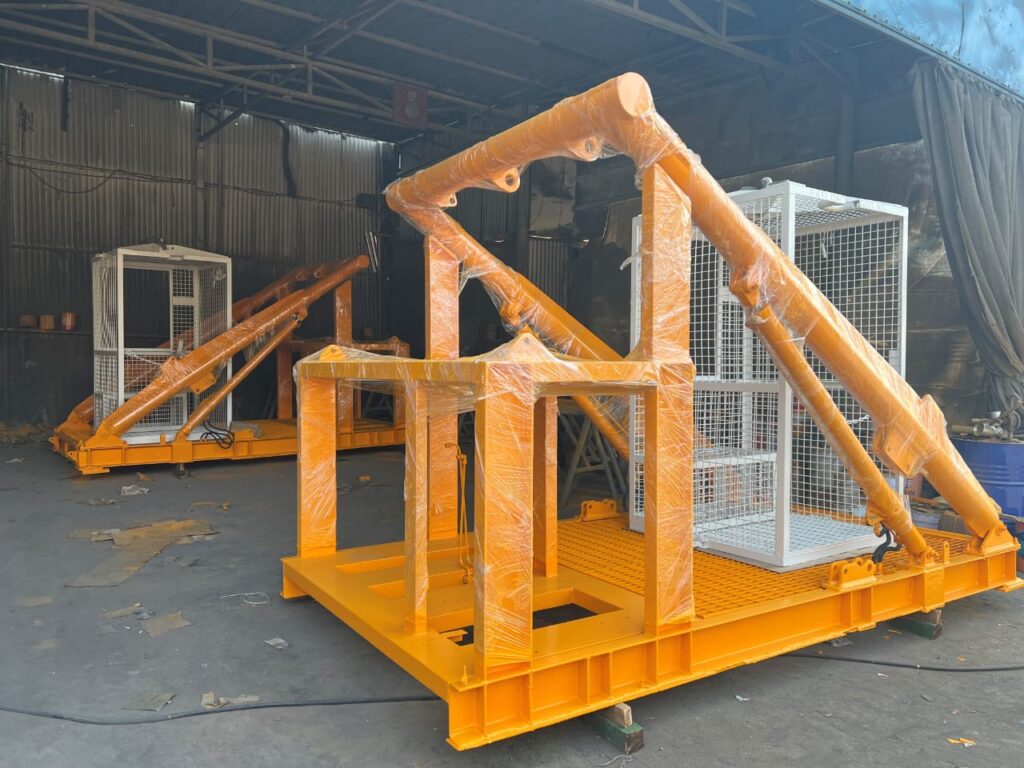
High-Temperature Multi-Polymeric Matrix (MPM) coatings represent a breakthrough in material science, specifically engineered to withstand the most extreme thermal environments. Unlike traditional single-polymer coatings that can become brittle or lose adhesion under heat stress, MPM coatings utilize a complex blend of heat-stable resins and inorganic polymers. This “matrix” structure allows the coating to maintain its mechanical integrity and chemical resistance even when subjected to temperatures ranging from -196°C to over 650°C. This versatility makes them the premier choice for insulated and non-insulated piping, offshore platforms, and refinery equipment where thermal cycling—the constant heating and cooling of surfaces—often leads to premature coating failure.
Polyurethane (PU) coatings are the industry standard for achieving a high-performance finish that balances extreme durability with exceptional aesthetic appeal. While epoxy is often favored for its hardness and priming capabilities, polyurethane serves as the ultimate protective topcoat, offering superior UV resistance and color retention. This makes it the ideal solution for exterior structures, such as storage tanks, bridges, and architectural steel, which are constantly exposed to direct sunlight and harsh weather. Its unique molecular structure provides a level of flexibility that allows the coating to withstand thermal expansion and contraction without cracking, ensuring a long-lasting, seamless barrier against moisture and atmospheric pollutants.
Blue Dot Metal Coating
Typically replies within minutes
Any questions related to Our Services?
WhatsApp Us
Online | Privacy policy
WhatsApp us